
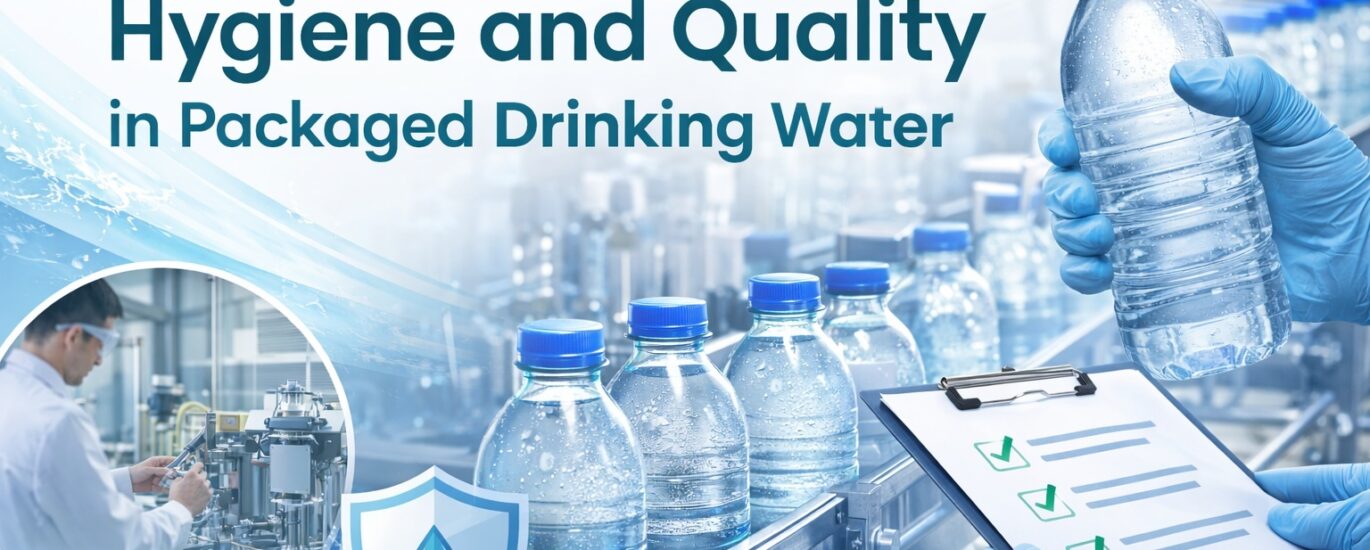
Hygiene and quality control are the foundation of packaged drinking water production. Unlike untreated water sources, packaged water undergoes a series of carefully monitored steps designed to ensure cleanliness, safety, and consistency before reaching consumers.
The production process begins with controlled sourcing and purification methods that remove physical, chemical, and biological impurities. These processes are supported by hygienic environments where equipment, containers, and handling procedures are regularly monitored and maintained. Clean production conditions help prevent contamination and ensure that water remains safe throughout processing.
Quality control plays an equally important role. Regular checks, process monitoring, and adherence to standard operating procedures help maintain consistency in output. These measures ensure that every bottle produced aligns with defined quality benchmarks, reducing variation and risk.
Beyond the technical processes, human practices also matter. Trained personnel following hygiene protocols, proper handling procedures, and safety guidelines contribute significantly to maintaining product integrity. When every stage is approached with responsibility and attention to detail, the result is a product that meets consumer expectations for safety and reliability.
For consumers and businesses alike, understanding the importance of hygiene and quality in packaged drinking water builds trust in responsible manufacturers. It reinforces the value of choosing products produced under controlled conditions, where safety and consistency are treated as priorities rather than afterthoughts.